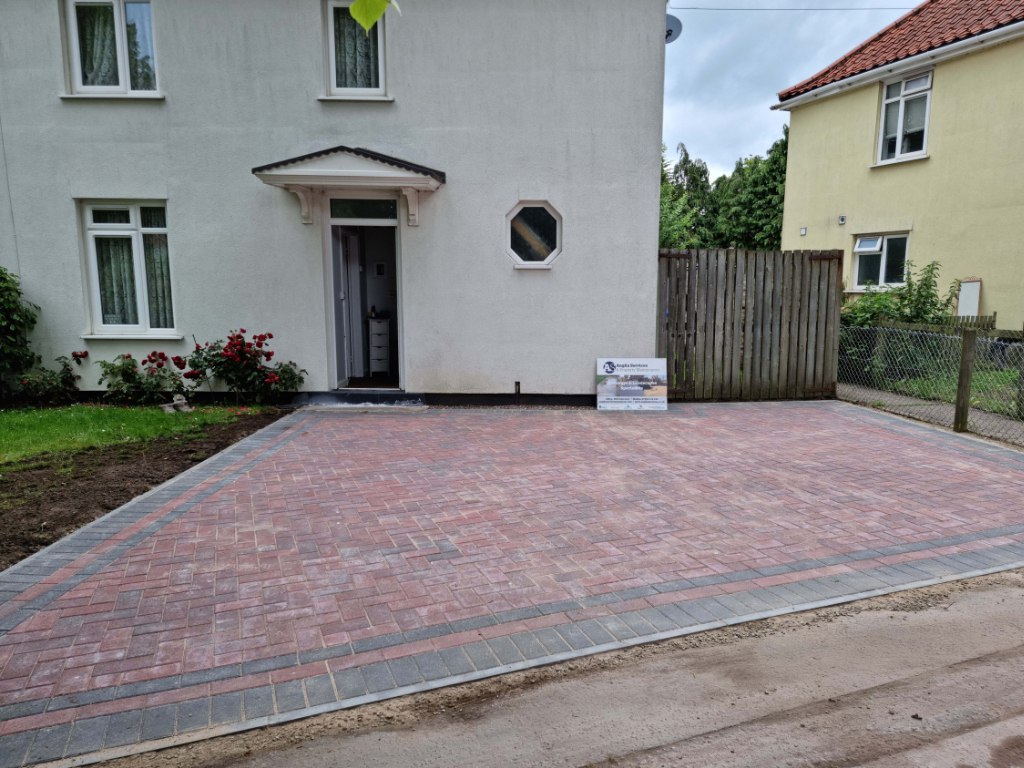
Commercial Resin Surfacing: Creating Attractive and Functional Outdoor Areas
Well-designed outdoor spaces can make a significant difference to the appearance and usability of commercial properties. From business entrances and customer parking areas to access paths and outdoor seating spaces, the right surface needs to look professional while standing up to regular use. Commercial resin surfacing is an option worth considering for businesses seeking a modern, practical finish that complements their premises.
For businesses in Soham, Cambridgeshire, resin-bound surfacing can provide an attractive finish for a range of outdoor areas. However, achieving a durable result depends on choosing suitable materials, preparing the ground correctly and designing the surface around the needs of the property.
What Is Commercial Resin Surfacing?
Resin-bound surfacing is produced by mixing natural or decorative aggregates with a resin binder before applying the mixture to a prepared base. Once cured, the material forms a consistent, textured surface in which the individual stones are held together.
This creates a neat finish suitable for areas such as commercial entrances, pathways, courtyards and selected parking areas. Different aggregate colours and blends allow businesses to choose a design that complements the building and surrounding landscaping.
Resin-bound surfacing should not be confused with resin-bonded surfacing. Resin-bound systems mix the aggregate and resin together before installation, whereas resin-bonded systems apply loose aggregate over a layer of resin. The two methods produce different surface characteristics and drainage performance.
The Benefits of Commercial Resin Surfacing
An Attractive and Professional Appearance
The condition of a property’s outdoor areas contributes to the impression it creates for customers, employees and visitors. Cracked paving, uneven surfaces and worn entrances can detract from an otherwise well-maintained building.
Commercial resin surfacing offers a consistent finish that can complement both contemporary and traditional premises. Businesses can select aggregate colours that work with their exterior features, creating a coordinated appearance across entrances, paths and other paved areas.
Decorative borders or contrasting aggregate blends can also help distinguish particular sections, provided the layout is planned carefully.
A Practical Surface for Everyday Use
Commercial outdoor areas often need to accommodate a combination of pedestrian movement and vehicle access. Resin-bound surfacing can provide a firm, continuous surface for suitable applications when installed over an appropriately designed foundation.
It can be used for walkways, entrance areas and selected vehicle surfaces, helping create a consistent finish across different parts of a property. The specification must reflect the intended use, as areas carrying heavier vehicles or frequent turning movements may require a more substantial construction.
A professional assessment helps establish whether resin-bound surfacing is suitable for the expected traffic and operating conditions.
Permeability and Water Management
One notable feature of resin-bound surfacing is that water can pass through the spaces between the aggregate particles when the system is designed and installed to be permeable. This can help reduce surface water accumulation and support effective drainage.
However, permeability depends on more than the visible resin layer. The underlying base and ground conditions must also allow water to drain appropriately, and the overall design should account for site drainage requirements.
For commercial properties in Soham, Cambridgeshire, considering drainage during the planning stage can help reduce standing water and improve the usability of outdoor spaces during wet weather.
Manageable Maintenance Requirements
Resin-bound surfaces are generally straightforward to maintain with regular cleaning and inspection. Removing leaves, dirt and other debris helps preserve the appearance of the aggregate and prevents organic material from accumulating.
Periodic checks can also identify developing cracks, loose edges or other defects that may need attention. Cleaning methods should be suitable for the installed system to avoid damaging the resin or aggregate.
Although resin surfacing can be durable, it is not maintenance-free. Appropriate installation and routine care remain important for long-term performance.
Where Can Commercial Resin Surfacing Be Used?
The versatility of resin-bound surfacing makes it suitable for several types of commercial outdoor areas, provided the installation is designed for the intended purpose.
Business Entrances and Pathways
A resin-bound entrance can create a welcoming approach to a commercial building. Its continuous finish can also help connect entrances with surrounding paths and landscaped areas.
For pedestrian routes, the selected aggregate and surface texture should provide suitable grip under expected conditions. The layout should also avoid unnecessary changes in level that could affect accessibility.
Courtyards and Outdoor Seating Areas
Courtyards and outdoor seating spaces benefit from a surface that is visually appealing and practical to maintain. Resin-bound surfacing can create a coordinated appearance around planted areas, seating and building entrances.
Careful planning of drainage and surface levels helps prevent water from collecting in frequently used areas.
Selected Parking and Access Areas
Resin-bound surfacing may be suitable for some parking areas and access routes, particularly where the design prioritises appearance alongside practical use. However, the expected vehicle loads, turning movements and frequency of traffic must be considered.
A suitable base is essential to help prevent movement and surface failure. Heavier-duty commercial areas may require a different surfacing specification or an alternative material.
What to Consider Before Installing Commercial Resin Surfacing
A successful installation begins with understanding the site. The condition of the existing ground, the intended use, drainage requirements and the layout of the outdoor area all influence the most appropriate approach.
Ground preparation is particularly important. An unstable or unsuitable base can lead to cracking, sinking or other defects, even when high-quality resin and aggregate are used.
Installation conditions also matter because moisture and temperature can affect how the resin cures. Using an experienced contractor helps ensure that the materials are mixed, laid and cured in accordance with the system requirements.
Commercial Resin Surfacing in Soham, Cambridgeshire
Choosing the right surfacing solution involves balancing appearance, durability, drainage and the practical demands of the property. Resin-bound surfacing can be an effective option for businesses looking to improve entrances, pathways, courtyards and suitable vehicle areas.
Soham Driveways can help businesses assess their outdoor surfacing requirements and explore options that suit the layout and intended use of their premises. Professional planning and careful installation help create an attractive finish that remains functional over time.
Conclusion
Commercial resin surfacing offers a combination of visual appeal, practical use and potential drainage benefits when the system is correctly specified and installed. Its suitability depends on the site’s ground conditions, traffic requirements and the purpose of the finished area.
For businesses in Soham, Cambridgeshire, careful preparation and a suitable surfacing design can help create outdoor spaces that look professional and perform reliably. Contact Soham Driveways to discuss your commercial surfacing project and arrange professional guidance on the options available.
Call us on: 01353 881 093
Click here to find out more about Soham Driveways
Click here to complete our contact form and see how we can help with your driveway needs.